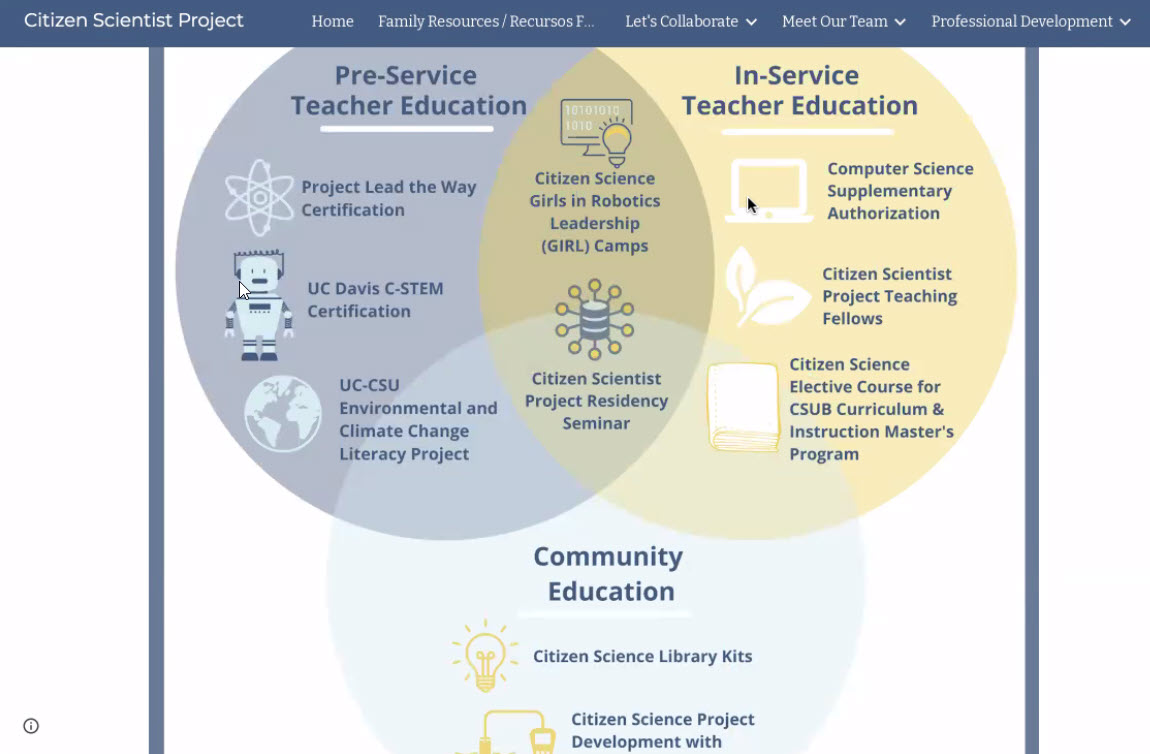
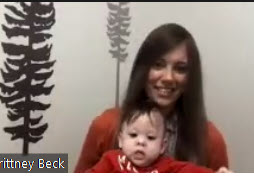
The month of March is my favorite month of the year for a number of reasons, as we have Spring blossoming trees, sunshine with a kiss of rain, beautiful skies with favorable Bakersfield temperatures, and the mosquitos haven’t come out in droves yet. Can I get an Amen on that! Well with all the joys of Spring in the air, Breakfast Rotarians were anxious to get Wednesday’s meeting off and running, and we did so from President David Spalinger’s Skyline Cabinet Shop. Marianna Buoni got us underway with the morning’s Invocation, Dr. Tom Burke followed with America’s Pledge of Allegiance. Athena Collup co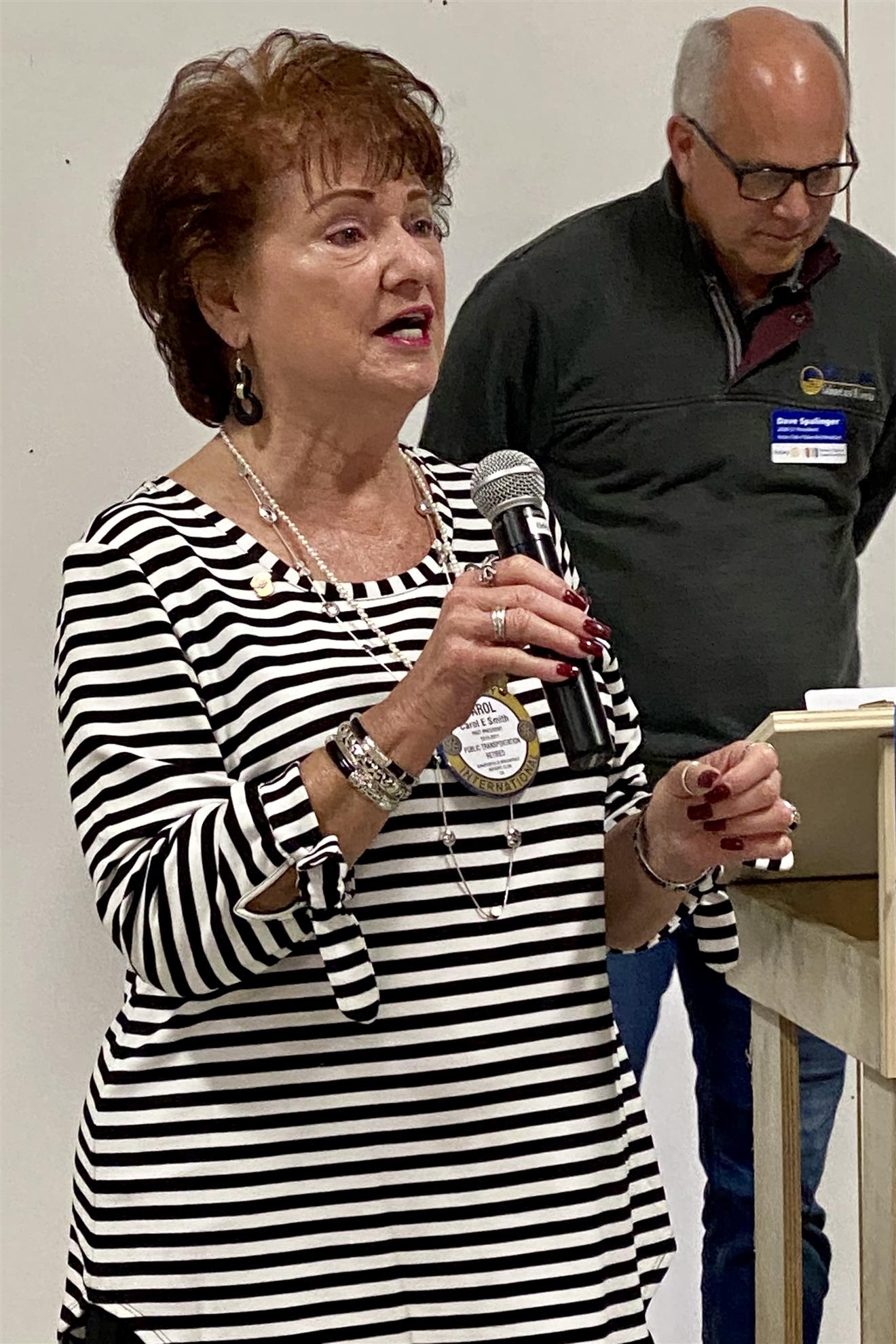 uld not find any visiting Rotarians so we had a little extra time to have choir practice. Yes, choir practice. “Choir Practice” met something entirely different when I was a street cop in the ‘80s, but to a Breakfast Rotarian it really involves singing. So, enter Carol Smith AKA The choral director, who directed nothing short of a masterpiece tribute to the Rotary 4-Way Test. Well done everyone! uld not find any visiting Rotarians so we had a little extra time to have choir practice. Yes, choir practice. “Choir Practice” met something entirely different when I was a street cop in the ‘80s, but to a Breakfast Rotarian it really involves singing. So, enter Carol Smith AKA The choral director, who directed nothing short of a masterpiece tribute to the Rotary 4-Way Test. Well done everyone! We had two visitors; Jacob Ryan is checking out the Bakersfield Clubs. He is using the Rotary International club directory to locate and contact clubs. He is a graduate of Foothill High (he was not an interactor.) We also had a second guest, but due to the boisterousness of the members, I couldn’t get the name. Pete Leveroni introduced our program speaker. Dr. Brittney Beck, of California State Bakersfield where she is an Assistant Professor of Teacher Education. Dr. Beck brought to our attention The Citizen Scientist Project. Focusing upon science, technology, engineering, arts, and math, Dr. Beck is the voice behind a CSUB challenging and promising program. Her research yields very valuable data about the needs of both teachers and students in enhancing a larger command of mastering the study of math, technology and sciences. According to Dr. Beck, to appreciate the value of these highly challenging and rewarding fields of study, teachers of K – 12 curriculum and particularly, female students, there is a need to make available to both teachers and students a curriculum that enables them to maximize the effectiveness of learning through The Citizen Scientist Project. The benefit being that teachers have a curriculum that inspires their students who in turn build upon the learning to increase potential for success in furthering their math, technology and science education that may lead to careers in engineering and technology. One may wonder why the program has the name Citizen Scientist Project. Dr. Beck told us that a very large part of the study of the project is of a community-based importance. It is for that reason there is a major component of teacher/student interaction with community agencies with long term social concerns. She said community voices that traditionally have been excluded from such areas of study are now encouraged to participate in making the relevance and practical application of the project beneficial to all that live in the southern San Joaquin Valley. As an example, topics may include study, research and discussion of issues like plant fruit disease control, air pollution and Valley Fever research. As you can see, the project is taking on some very imposing Valley concerns. The project is a large stakeholder of a substantial 3-year grant to CSUB to further the research. There are three areas of core initiatives which serves as the project’s framework. The first area is directed towards the Pre-Service Teacher Education and includes the much-heralded Project Lead the Way for STEM education. Teachers have the incentive of becoming certified, enabling them to become experts in providing the specialized curriculum to students. The second area is In-service Teacher Education where teachers of the math, technology and science curriculum can sharpen their skills to achieve a post-graduate degree or even to become teaching Fellows in association with the project. The third core initiative is called Community Education. This area intersects classroom exercises to community-based learning modules. Students as well as invested community partners, just like you and I, can participate as contributors. For those technologically challenged there is good news as the project has volunteers and mentors available to assist even the most unskilled scientist, like me. Community partners can access CSUB Library on-line science Kits in a Box where those participating community members assume a role in contributing data to student researchers and scientists enabling them to make informed decisions towards their teacher assigned projects affecting all of us that may someday improve future San Joaquin Valley resident’s quality of life. There are fun and activity filled kits such as The Marine Debris Tracker and Globe Data Collection. Visiting the Citizen Scientist Project website at sites.google.com/csub.edu/citizenscientistproject/home one can learn how they can get involved in the fun! We would like to thank Dr. Beck for her very exciting overview of what’s new in education which will benefit teachers, students and community partners for generations to come. |

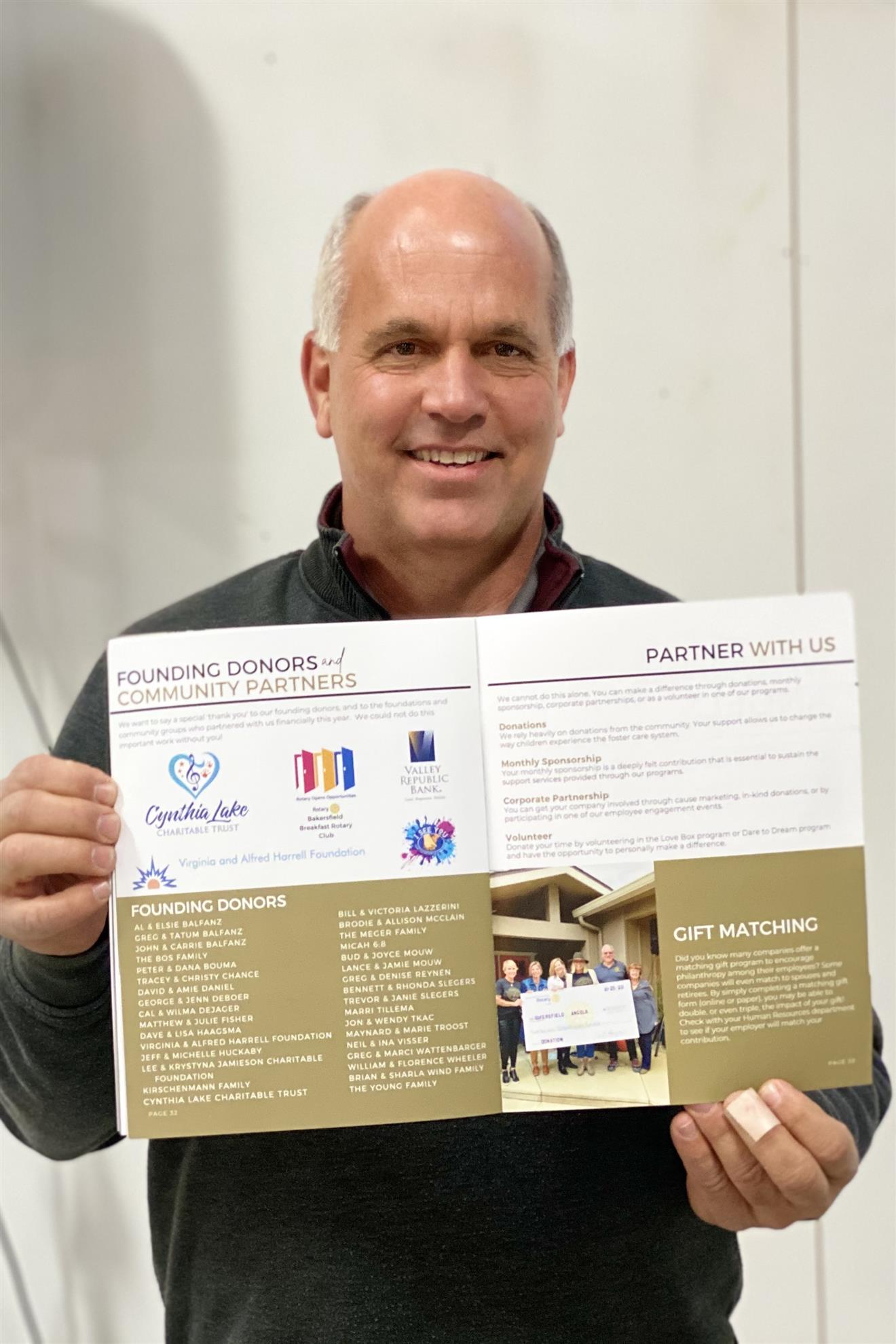 Wow, how fast this year is going by. I know I said I was going to have a guest President once a month but I have to say this has been so much fun that I haven’t wanted to share. (Maybe next time I’m president) NOT!!